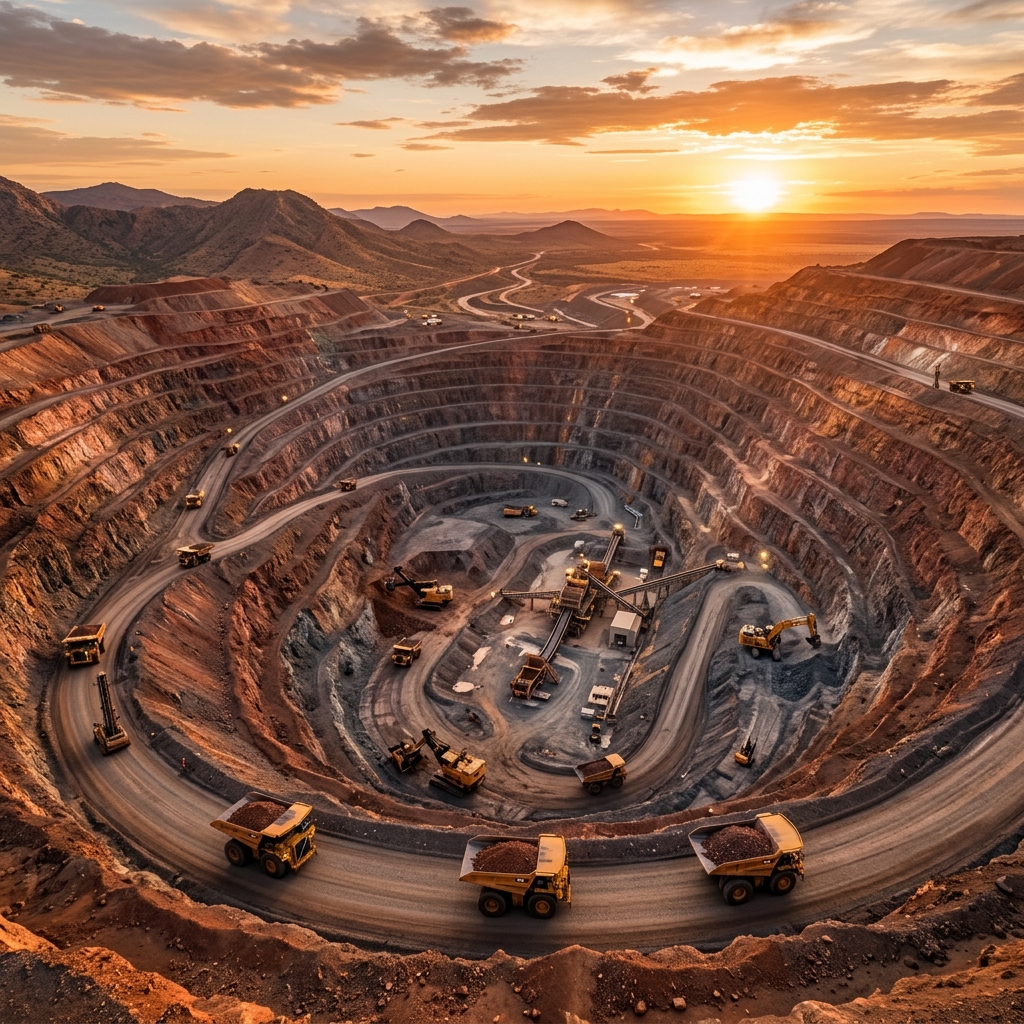
Iron Ore Logistics: Fines vs. Lumps & Maritime Safety Standards
Deploying Panamax (60k MT) or Capesize (150k MT) vessels for Iron Ore requires strict adherence to the IMSBC Code. WorldwideTradeX ensures all hematite and magnetite shipments meet both metallurgical requirements for blast furnaces and the critical safety thresholds for ocean transport.
Table of Contents
- Iron Ore Fines (0-10mm) & Sintering
- Iron Ore Lumps (10-40mm): Direct Charge
- Safety: Moisture (TML) & Liquefaction Risk
- Technical Specifications Table
1. Iron Ore Fines (0-10mm): The Sinter Feed
Fines are the high-volume substrate for global steel production, typically requiring thermal processing before use.
- Agglomeration: Fines must be sintered to create permeable "clinkers" suitable for blast furnace airflow.
- Economics: Fines trade at a lower per-unit price due to the energy costs associated with sintering.
2. Iron Ore Lumps: Premium Direct Charge
Lumps represent the most efficient ore format, prized for their ability to bypass intermediate processing.
- Direct Charge: Lumps are fed directly into the furnace, significantly reducing the steel mill's carbon footprint and energy bill.
- Moisture Advantage: Lumps naturally retain less water than fines, making them safer for long-haul storage.
3. Maritime Safety: TML and the Liquefaction Threat
The "Silent Killer" of bulk carriers is cargo liquefaction.
- TML (Transportable Moisture Limit): If moisture in fines exceeds the TML (typically 8-10%), the cargo can shift during transit, causing the ship to capsize.
- Verification: We mandate Flow Moisture Point (FMP) testing by SGS at the stockpile before loading to ensure cargo is safe for the high seas.
4. Technical Specifications: Iron Hub
| Component | Standard Fines (62%) | Premium Lumps (63.5%+) |
|---|---|---|
| Fe Content | 62.0% Basis | 63.5% - 65% Min |
| Size | 0 - 10 mm (90% Min) | 10 - 40 mm (90% Min) |
| Moisture | 8.0% Max (TML) | 4.0% Max |
| Silica (SiO2) | 4.5% Max | 3.5% Max |
| Sulphur (S) | 0.05% Max | 0.04% Max |
Metals Knowledge Hub
- Used Rails: R50/R65 Steel Purity
- HMS 1/2: Scrap Metal ISRI Codes
- Copper Cathodes: 99.99% Assay Analysis