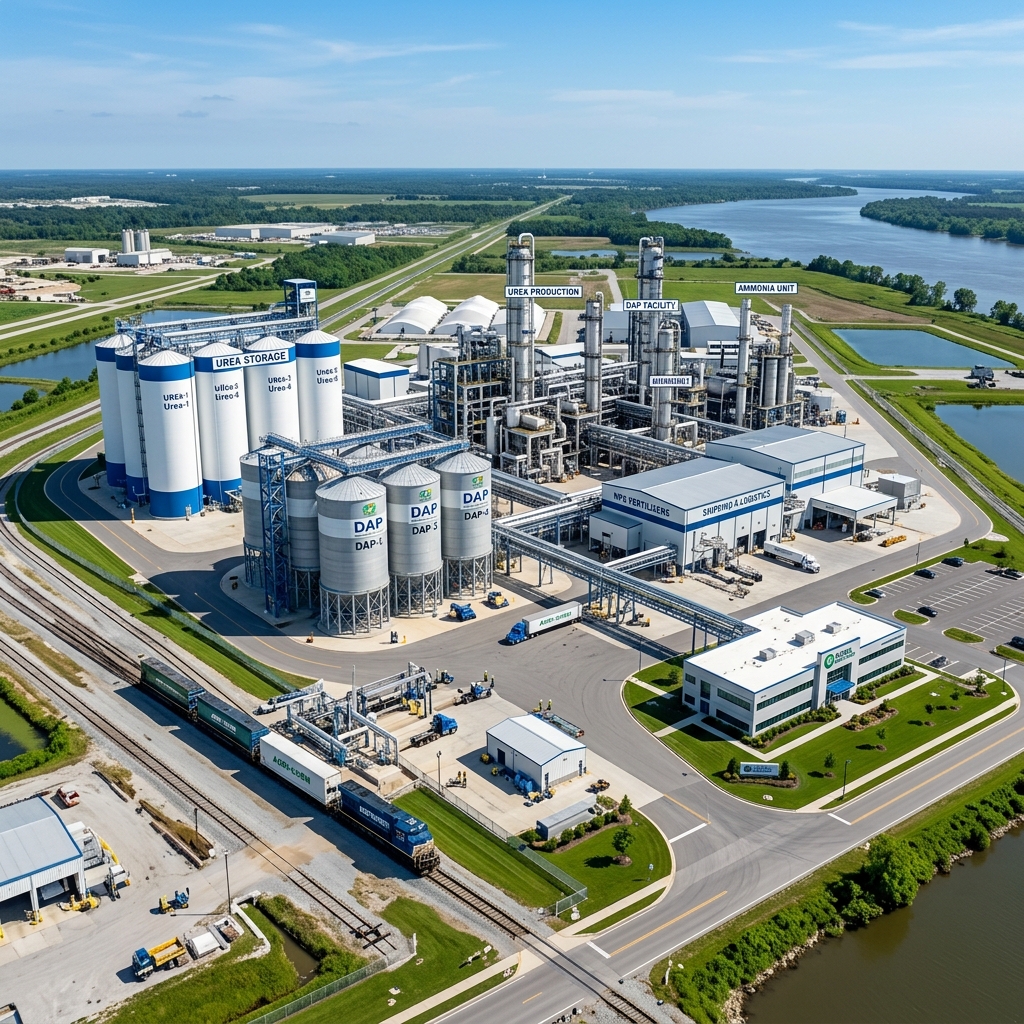
Urea N46 Fertilizer: Prilled vs. Granular Specifications
Urea (46% Nitrogen) is the world’s most concentrated solid nitrogen fertilizer. It is the primary engine for green growth (chlorophyll synthesis) in global agriculture. WorldwideTradeX provides high-purity Urea N46, treated for maritime stability and optimized for high-yield arable farming and industrial resin production.
Table of Contents
- Prilled vs. Granular Selection
- The Biuret Factor: Crop Safety
- Anti-Caking & Long-Haul Storage
- Technical Specifications Table
1. Urea Formats: Prilled vs. Granular
Choosing the correct format depends on your application method.
- Prilled Urea (1-2.4mm): Smaller diameter, produced via prilling towers. Rapidly soluble—preferred for fertigation, pasture surface dressing, and industrial AdBlue production.
- Granular Urea (2-4mm): Larger, harder granules produced by accretion. Ideal for bulk blending with DAP/MOP, mechanically spreaders, and controlled release in broadacre cereals.
2. Technical Purity: The Biuret Constraint
Biuret is a byproduct of heating urea and can be phytotoxic (toxic to plants).
- Standard Grade: Biuret content < 1.0%. Suitable for soil application in most field crops.
- Low-Biuret Grade: Biuret < 0.5%. Mandatory for foliar sprays and sensitive horticulture (citrus, pineapple).
3. Moisture Protection & Logistics
Urea is highly hygroscopic (absorbs water).
- Anti-Caking Agent: All WTX urea is treated with formaldehyde-based surface conditioning to ensure free-flowing properties after 30+ days in sea transit.
- Packaging: 50kg PE/PP bags or 1,000kg Jumbo Bags. Bulk vessel options (Handymax) available for port-to-port supply.
4. Technical Specifications: Fertilizer Hub
| Parameter | Agricultural Standard | WTX Premium Result |
|---|---|---|
| Nitrogen (N) | 46.0% Min | 46.2% |
| Biuret | 1.0% Max | 0.8% - 1.0% |
| Moisture | 0.5% Max | 0.3% |
| Granulation | 2.0 - 4.0 mm | 90% Uniformity |
| Color | Pure White | Pure White |
Chemicals Knowledge Hub
- DAP (18-46-0): High-Phosphate Feedstock
- Rock Phosphate: Mineral Purity & BPL
- Agro: Animal Feed & Corn Grades